Not long ago, local businesses competed almost exclusively with other businesses nearby. A homeowner looked for contractors in town. Families chose professionals recommended by neighbors. Companies built reputations within the communities they served, and geography naturally limited how far most customers searched before making a decision.
That isn't how people buy today.
Someone living in Lancaster may compare businesses from Indian Land, Fort Mill, Rock Hill, Charlotte, or even farther away before requesting a quote. A company based in Lancaster may complete projects across northern South Carolina while regularly serving customers throughout the Charlotte metropolitan area. Geography still matters, but it no longer defines the competitive landscape the way it once did.
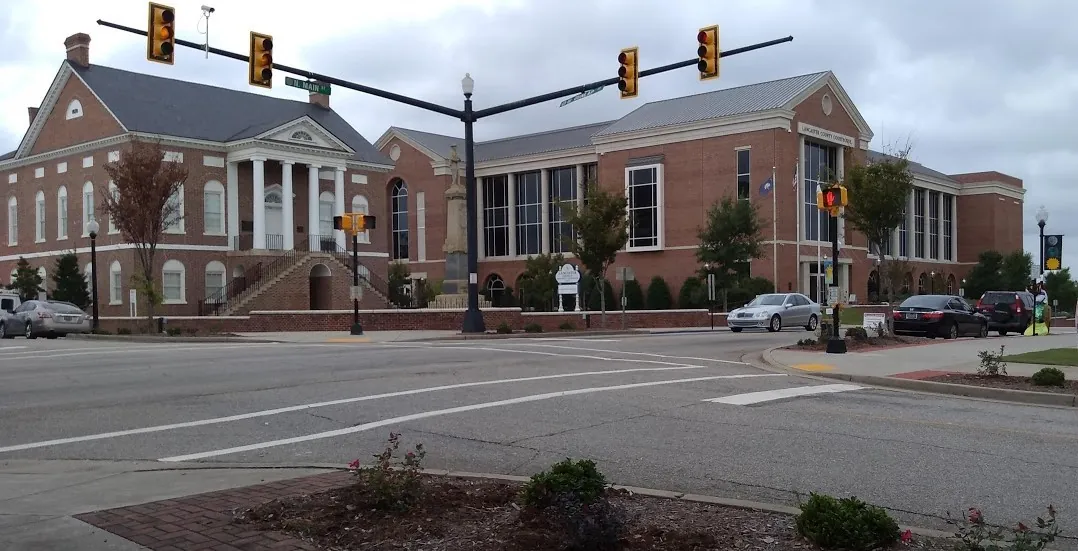
Lancaster has become an increasingly important part of that regional story. Continued residential growth, expanding infrastructure, and its proximity to Charlotte have created new opportunities for businesses willing to think beyond traditional boundaries. The community retains its own identity, but it's also part of a larger economic region where customers move freely between counties and state lines without giving much thought to where one market ends and another begins.
For local businesses, that's an opportunity.
The companies that communicate their expertise clearly are no longer limited to the customers who happen to drive past their storefront. They can build trust with people who discover them online first, regardless of which side of the state line those customers happen to call home.